Transitioning to the L564 framework can unlock tax efficiencies and operational flexibility, but missteps during migration often erode those benefits. Business owners who grasp the regulatory nuances, verify their financial standing, and choose the right migration path can avoid costly delays and keep growth on schedule.
Grasp the Regulatory Context Before You Commit
The L564 regime was introduced to streamline reporting for small‑to‑mid‑size enterprises, consolidating several legacy tax codes into a single filing structure. Its appeal lies in simplified compliance deadlines and the potential for reduced rates when qualifying criteria—such as revenue thresholds and asset composition—are met. However, the framework also imposes strict documentation rules; failure to satisfy any single requirement can trigger a re‑assessment and back‑dating of liabilities.
Common Mistakes That Derail the Migration
- Skipping the Debt‑Clearance Check. Many owners assume that outstanding loans automatically roll over. In reality, the L564 authority requires a current “no‑debt” declaration, and any undisclosed lien can invalidate the entire filing.
- Relying on Outdated Financial Statements. The migration window aligns with the most recent fiscal year. Submitting stale balance sheets forces auditors to request revisions, extending the timeline by weeks.
- Overlooking State‑Level Nuances. While L564 is federal, certain states impose supplemental reporting. Ignoring these variations can result in duplicate filings and unexpected penalties.
Smarter Alternatives to Traditional Migration Paths
Instead of a blanket switch, consider a phased approach: start with a pilot segment of your business—such as a single product line or regional office—to test compliance workflows. This “sandbox” method reveals hidden gaps without jeopardizing the entire operation. Additionally, leveraging a certified L564 consultant can provide pre‑audit reviews, ensuring that every required certificate, including debt statements, is in order before the formal submission.
Verify Your Financial Health Before You Move
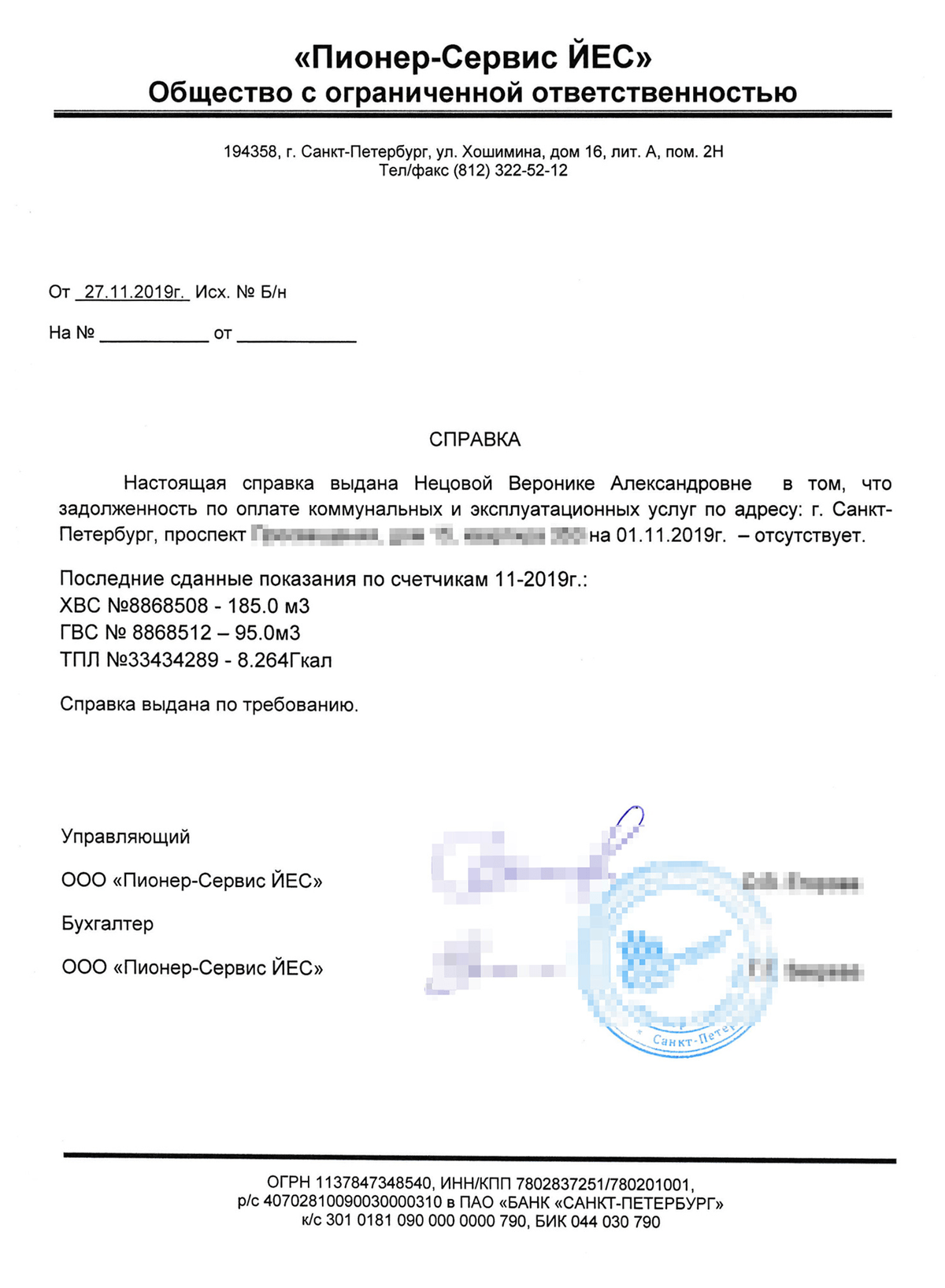
A clean financial slate is the linchpin of a successful migration. Obtain a current certificate confirming no outstanding obligations; this document not only satisfies the L564 authority but also signals to lenders and partners that your transition is risk‑free.
Action Checklist for a Seamless Transition
- Review the latest L564 eligibility matrix and cross‑check against your revenue and asset figures.
- Secure a recent “no‑debt” certificate—like the one illustrated above—to pre‑empt audit holds.
- Update all financial statements to reflect the end of the most recent fiscal year.
- Identify any state‑specific reporting add‑ons and prepare parallel documentation.
- Run a pilot migration with a limited business unit and record any compliance hiccups.
- Engage a qualified L564 advisor for a final pre‑submission audit.
By addressing the typical pitfalls early and adopting a measured, data‑driven migration plan, business owners can reap the efficiency gains of L564 without the usual bureaucratic snarls. The effort invested in preparation pays off in smoother filing cycles, lower audit exposure, and the ability to focus on growth rather than paperwork.